As the world continues to adapt to the changing dynamics of communication and connectivity, hybrid conferences have emerged as a versatile solution to bridge the gap between in-person and virtual interactions. Blending the benefits of face-to-face networking with the convenience of virtual engagement, hybrid conferences offer a unique opportunity to cater to a diverse audience. However, orchestrating a successful hybrid conference requires careful planning and execution to ensure a seamless experience for both in-person and virtual attendees.
In this blog, we’ll explore some valuable tips to help organisers and participants make the most of such events.
Clear Communication and Expectation Setting
Before the conference begins, it’s crucial to establish clear communication regarding the hybrid nature of the event. Inform attendees whether a session will be held in-person, virtually, or both. Provide comprehensive information about how virtual attendees can participate, access materials, and interact with speakers and fellow participants. Setting expectations will prevent confusion and ensure that all participants feel included.
Effective Management of the Online Platforms Used
This responsibility can be undertaken either by an internal team member or outsourced to us at Congress Rental SA. This individual will play a pivotal role in facilitating access for participants awaiting entry, while also adeptly addressing any technical glitches that may arise. By entrusting this role to a dedicated manager, a smoother and more engaging virtual experience can be cultivated for all users involved.
Tech Infrastructure and Support
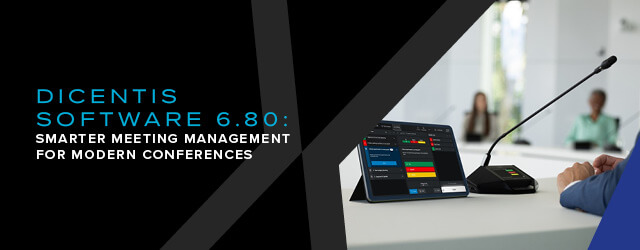
A strong and reliable tech infrastructure is the backbone of a successful hybrid conference. For virtual attendees, ensure a user-friendly platform that offers seamless streaming, interactive features, and Q&A sessions. Technical support should be readily available to address any issues that arise, both for in-person and virtual participants. Through Congress Rental SA’s partnership with Bosch, we can provide our clients with reliable quality equipment that can help you seamlessly navigate the blend at a hybrid conference. This includes:
- DICENTIS Wireless Conference System
- DCN Next Generation Discussion System
- And more!
Engaging Content Delivery
Keep both in-person and virtual attendees engaged by diversifying content delivery methods. Incorporate a mix of presentations, panel discussions, workshops, and interactive activities. Consider utilising technologies such as augmented reality (AR) or virtual reality (VR) to create immersive experiences for virtual participants that mimic the in-person environment.
Hybrid Networking Opportunities
One of the key advantages of in-person conferences is the opportunity for networking. To ensure virtual attendees don’t miss out, incorporate virtual networking sessions, chat rooms, and online discussion forums.
Interactive Q&A Sessions
Enhance engagement by allowing virtual participants to submit questions during live Q&A sessions. Appoint a moderator to manage questions from both in-person and virtual audiences, ensuring that everyone’s queries are addressed. This approach encourages a sense of inclusivity and collaboration.
Accessibility for All
Pay special attention to accessibility for both in-person and virtual attendees. Provide closed captioning for virtual sessions, ensure venues are wheelchair accessible, and offer assistance for those with special needs. Making the event accessible to everyone underscores your commitment to diversity and inclusion.
Real-Time Feedback and Interaction
Leverage technology to gather real-time feedback from attendees, regardless of their attendance mode. Use polls, surveys, and live feedback tools to gauge audience reactions and preferences. This not only helps you make on-the-fly adjustments but also fosters a sense of involvement for all participants.
Content Availability and Reusability
Consider recording and archiving conference sessions so that virtual attendees can access them later. This extends the value of the event beyond its scheduled time, enabling attendees to revisit sessions and learn at their own pace. Make these resources available to both in-person and virtual participants.
Inclusivity in Decision-Making
Involve both in-person and virtual participants in decision-making processes. Allow virtual attendees to contribute to discussions and polls, ensuring that their perspectives are taken into account. This participatory approach cultivates a sense of belonging and shared ownership of the conference.
Continuous Adaptation and Improvement
Lastly, gather insights and feedback after the event to identify areas for improvement. Ask attendees about their experiences, challenges, and suggestions. Use this information to refine your approach for future hybrid conferences, creating a more seamless and enriching experience each time.
Hybrid conferences offer an exciting opportunity to blend the best of both worlds – in-person engagement and virtual accessibility. By following these tips, organisers and participants can navigate the complexities of hybrid events, ensuring that all attendees have a valuable and engaging experience. As technology continues to evolve, hybrid conferences are likely to become even more sophisticated, allowing us to connect and collaborate in innovative and meaningful ways.